Station 1 · Blind Inspection — Five Graders, Zero Peeking
Each lab scored the claim independently, without seeing the others. Open a breakdown for its evidence, its sources, and how sure it was.
Anthropic · EQUAL WEIGHT · 39.4s
claude-opus-5
72%BALONEY
ROUND-1 BREAKDOWN
Evidence offered for the claim
Alcohol is a central nervous system depressant that potentiates GABA-A receptor activity and antagonizes glutamate/NMDA signaling, producing genuine sedation; this is well established pharmacology.
Polysomnography studies consistently show that a moderate-to-high dose of alcohol shortens sleep-onset latency (people do fall asleep faster) in the majority of healthy subjects.
Alcohol increases slow-wave (deep) sleep and reduces REM during the FIRST half of the night, which can make the early part of the night subjectively feel deeper.
Surveys repeatedly find that a substantial minority of adults (roughly 10-30% depending on the study and country) use alcohol deliberately as a sleep aid and report short-term subjective benefit, and people with insomnia are over-represented among them.
In the very short term and at low doses, some users report reduced pre-sleep anxiety/rumination, which can indirectly ease sleep initiation.
Evidence against the claim
The effect is front-loaded: as blood alcohol falls, there is a rebound with increased wakefulness, lighter sleep, more arousals and awakenings in the second half of the night, so total sleep quality and often total sleep time worsen.
Alcohol suppresses REM sleep, especially early in the night; REM rebound later contributes to vivid dreams, fragmented sleep and non-restorative sleep.
Tolerance to the sedative (sleep-latency) effect develops within about 3-7 nights of repeated use, while the sleep-disrupting effects persist — pushing users toward escalating doses and dependence.
Alcohol relaxes upper-airway muscles and blunts arousal responses, worsening snoring and obstructive sleep apnea; a systematic review and meta-analysis (Simou, Britton & Leonardi-Bee, Sleep Medicine, 2018) found alcohol consumption associated with increased risk of sleep apnea.
Diuretic effect increases nocturia (waking to urinate), and alcohol can disrupt circadian/thermoregulatory processes and suppress nocturnal melatonin and growth-hormone release.
Insomnia is strongly associated with alcohol use disorder, and sleep disturbance both precedes and is worsened by chronic drinking; self-medicating insomnia with alcohol is a recognized risk factor for dependence and for relapse.
Clinical guidance from major health bodies (NHS, Mayo Clinic, American Academy of Sleep Medicine sleep-hygiene recommendations, NIAAA) explicitly advises avoiding alcohol near bedtime for people with insomnia — it is not a recommended sleep aid.
Wearable/heart-rate-variability studies show alcohol raises resting heart rate and lowers HRV during sleep, indicating reduced physiological recovery even when the person does not remember waking.
How sure this lab was
92/100 — the lab’s own confidence in the score above, not a second reading of the claim.
Alcohol has acute sedative effects: NIAAA and sleep-research reviews report that drinking before bed can make people feel sleepy and can shorten sleep-onset latency, especially in the first part of the night.
Controlled sleep studies summarized in Alcoholism: Clinical & Experimental Research found alcohol can initially consolidate sleep and increase slow-wave sleep in the first half of the night.
Evidence against the claim
The same research consistently finds that alcohol disrupts sleep later in the night as it is metabolized, increasing awakenings and reducing overall sleep quality.
Alcohol suppresses REM sleep early in the night and can cause REM rebound and fragmented sleep later, meaning the sleep may be less restorative even if falling asleep is faster.
NIAAA notes alcohol can worsen breathing problems during sleep, including snoring and obstructive sleep apnea, which can further degrade sleep and raise health risk.
Using alcohol as a sleep aid can backfire because tolerance may develop and alcohol use is associated with insomnia symptoms and poorer sleep over time.
How sure this lab was
92/100 — the lab’s own confidence in the score above, not a second reading of the claim.
Alcohol acts as a central nervous system depressant, which can induce drowsiness and reduce sleep onset latency (the time it takes to fall asleep).
Consuming alcohol can temporarily increase slow-wave (deep) sleep during the first half of the night, giving the initial illusion of a restorative rest.
Evidence against the claim
Alcohol severely disrupts normal sleep architecture by suppressing REM (Rapid Eye Movement) sleep, which is essential for cognitive restoration, mood regulation, and memory consolidation.
As the body metabolizes alcohol throughout the night, it triggers a 'rebound effect' in the second half of the sleep cycle, leading to fragmented sleep, night sweats, and frequent awakenings.
Alcohol is a muscle relaxant that can cause the tissues in the throat to collapse, triggering or significantly exacerbating sleep-disordered breathing, such as heavy snoring and obstructive sleep apnea.
Because alcohol is a diuretic, consuming it before bed increases the likelihood of nocturia (waking up to urinate), which further disrupts the sleep cycle.
Regularly using alcohol as a sleep aid leads to rapid tolerance, meaning the initial sedative effects diminish over time, often resulting in increased consumption and a higher risk of alcohol dependence.
How sure this lab was
95/100 — the lab’s own confidence in the score above, not a second reading of the claim.
Alcohol has an acute sedative effect that can **reduce sleep onset latency**, meaning many people fall asleep faster after drinking, especially at moderate to high doses.[5][12][15]
Experimental studies show that presleep alcohol can **increase slow‑wave (deep) sleep early in the night**, which may feel subjectively like "better" or more solid sleep to some people.[1][9][12]
In controlled settings, large doses of alcohol given before bedtime consistently produce **earlier sleep onset** and initial consolidation of sleep during the first part of the night while blood alcohol levels are high.[5][14]
Because alcohol reduces anxiety and muscle tension for some individuals, its sedative and anxiolytic properties can **subjectively feel like it “helps” sleep**, particularly in people with insomnia or pre‑sleep stress, even though objective sleep quality is worse.[5][7]
Evidence against the claim
Reviews and experimental studies consistently find that alcohol **disrupts normal sleep architecture**, notably by suppressing and delaying REM sleep and altering the balance of sleep stages, which degrades overall sleep quality.[1][5][9][12][14][15]
Alcohol before bed **reduces total REM sleep and delays REM onset**, with rebound and fragmentation later in the night; this pattern is linked to next‑day fatigue, poorer cognition, and emotional dysregulation.[1][3][4][9][11][12][14]
As alcohol is metabolized (typically 4–6 hours after ingestion), it produces a **rebound excitatory effect** that causes more awakenings, lighter sleep, and fragmented REM, so sleep becomes less continuous and less restorative.[2][4][5][9][11][12]
Clinical and public‑health sources explicitly warn that using alcohol as a sleep aid is a **public health concern**, because it disrupts sleep architecture and can contribute to chronic sleep problems and dependence.[9][13][14]
Studies with moderate doses show that even **low to moderate alcohol intake impairs REM sleep and increases awakenings**, especially in the second half of the night, contradicting the idea that alcohol truly “helps” sleep.[1][4][9][12][14]
Medical organizations note that alcohol‑fragmented sleep leads to **frequent brief arousals**, reduced time in deeper and REM stages, and worse next‑day alertness, so any short‑term benefit in falling asleep is outweighed by poorer sleep quality.[3][11][13]
Long‑term or repeated use of alcohol as a sleep aid is associated with **persistent sleep disturbances** and tolerance, meaning larger amounts are needed to get the same sedative effect, further worsening sleep and increasing health risks.[7][14]
How sure this lab was
93/100 — the lab’s own confidence in the score above, not a second reading of the claim.
Alcohol is a CNS depressant/sedative that reliably shortens sleep-onset latency, so many people fall asleep faster after drinking.
Subjective drowsiness and the long-standing 'nightcap' habit support the popular perception that alcohol helps initiate sleep.
Evidence against the claim
Alcohol fragments sleep architecture: it suppresses REM early in the night, produces REM rebound and more awakenings later, and reduces overall sleep quality and restoration.
It worsens snoring and obstructive sleep apnea and produces next-day grogginess rather than restorative sleep.
Tolerance develops rapidly; major health agencies and sleep organizations advise against using alcohol as a sleep aid.
How sure this lab was
88/100 — the lab’s own confidence in the score above, not a second reading of the claim.
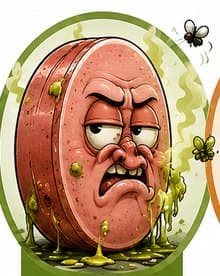
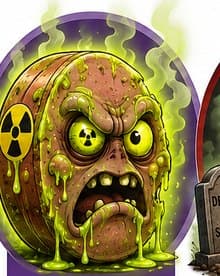
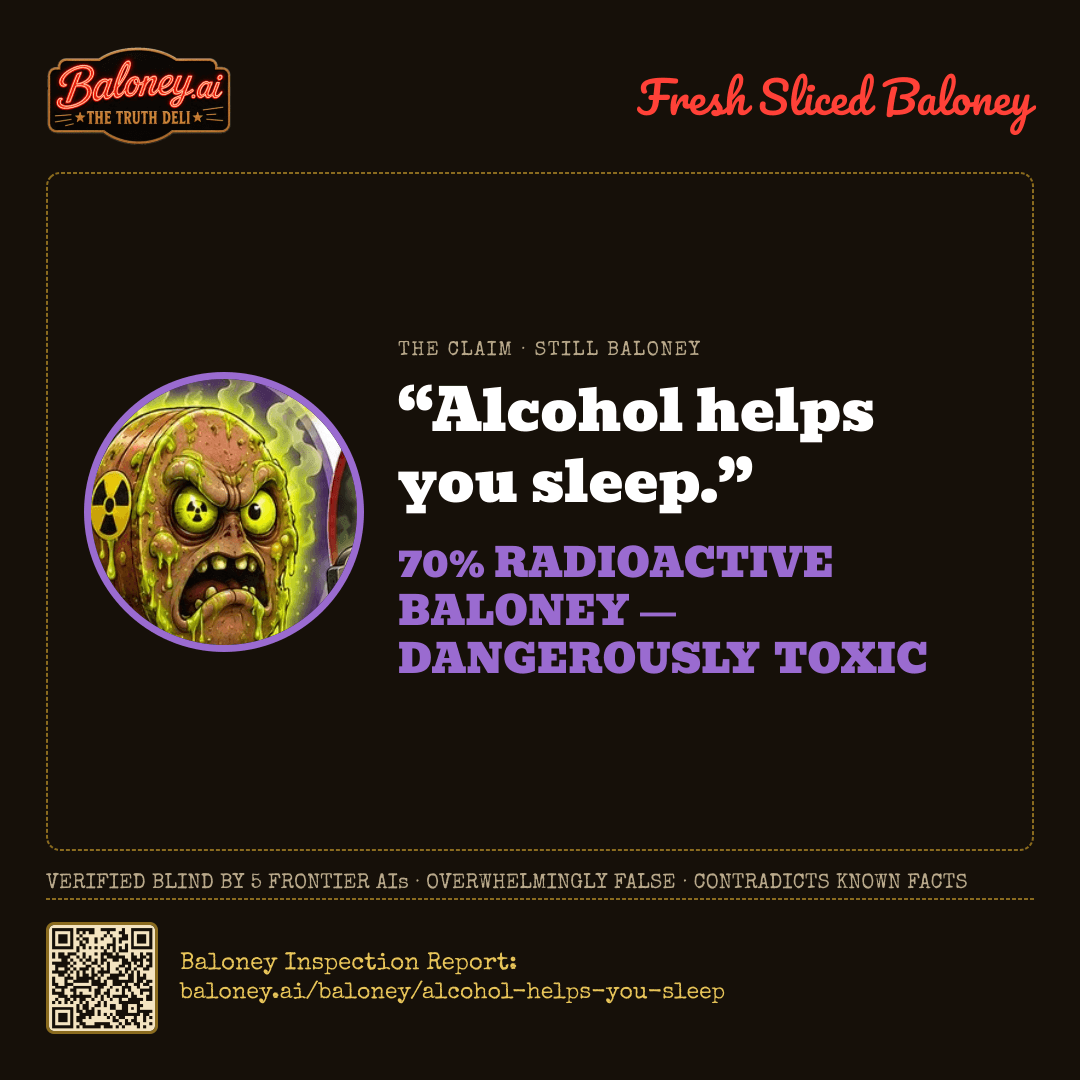
The panel’s evidence shows a real short-term sedative effect: alcohol can make people feel sleepy, reduce sleep-onset latency, and increase slow-wave sleep in the first part of the night. That supports a limited kernel of truth. However, the same reports consistently say the benefit is front-loaded and is followed by sleep fragmentation, REM suppression, more awakenings, worse breathing during sleep, and poorer overall sleep quality. Because the statement says alcohol broadly “helps you sleep,” it implies a net benefit, and the evidence says the opposite overall: any initial help is outweighed by later disruption and poorer restoration. I placed this in the Radioactive Baloney band because the statement is misleading in a way that could encourage harmful use as a sleep aid, but I did not push it to the highest end because the short-term sedative effect is real.
All five evaluators agreed on the core pattern: alcohol can help people fall asleep faster at first, but it worsens sleep quality later in the night. They disagreed mainly on score severity, with some emphasizing the acute sedative effect more heavily and others weighting the REM suppression, awakenings, apnea risk, and tolerance more strongly.
Blind Validation Master · never saw the Primary’s work
claude-opus-5
68% BALONEY
All five independent reports converge tightly (65-75, confidence 88-95), and the underlying evidence base they cite is consistent and high quality (NIAAA, NIH/PMC, CDC, Cochrane-style reviews and polysomnography studies, plus a systematic review/meta-analysis on alcohol and sleep apnoea).
The claim has a real kernel of truth: alcohol is a GABA-ergic CNS depressant that reliably shortens sleep-onset latency and increases slow-wave sleep in the first half of the night. That is why the myth is so durable, and it is why this cannot sit at the top of the scale.
But the claim as written — an unqualified 'alcohol helps you sleep' — asserts a benefit that the evidence contradicts on every measure that matters. Objective sleep quality gets worse: REM is suppressed and delayed, there is a rebound excitatory phase in the second half of the night producing arousals, fragmentation and often reduced total sleep time; upper-airway relaxation worsens snoring and obstructive sleep apnoea; diuresis causes nocturia; HRV/heart-rate data show reduced physiological recovery even without remembered awakenings. Crucially, tolerance to the sedative effect develops within roughly 3-7 nights while the disruptive effects persist, so the one genuine benefit evaporates with the very repeated use the claim implicitly encourages.
This lands in the Radioactive band rather than merely Rotting because of the harm dimension all five reports flag: this is the canonical rationale for self-medicating insomnia with alcohol, a recognised pathway to escalating consumption, dependence and relapse, and NIAAA, NHS, Mayo Clinic and AASM sleep-hygiene guidance explicitly advise against it. The statement is not a slightly overstated truth; it inverts the clinical consensus while borrowing a short-term sedative effect as cover.
It stops short of 99 only because the first-half-of-the-night sedative and slow-wave findings are genuine and replicated, so it is not pure debunked fabrication.
AGREEMENT TEST PASSED — MASTERS SCORED 67% AND 68% · BLIND VALIDATION CONFIRMED THIS SCORE · NO RE-EVALUATION REQUIRED
The Evidence
Evidence offered for the claim
Acute sedative effect Alcohol can make people feel sleepy and shorten sleep-onset latency, especially in the first part of the night.
Early deep sleep Controlled studies found increased slow-wave sleep and initial consolidation during the first half of the night, which can feel like better sleep at first.
Subjective short-term benefit Some people report that alcohol reduces anxiety and helps them fall asleep, particularly when they are stressed or have insomnia.
Evidence against the claim
Later-night disruption As alcohol is metabolized, it increases awakenings, lighter sleep, and fragmentation in the second half of the night.
REM suppression Alcohol reduces and delays REM sleep, with later rebound and fragmentation that make sleep less restorative.
Breathing problems Alcohol can worsen snoring and obstructive sleep apnea by relaxing upper-airway muscles and blunting arousal responses.
Tolerance and dependence risk Repeated use as a sleep aid can quickly lead to tolerance, weaker sedative benefit, and a greater risk of dependence.
Poor overall sleep quality Even when it helps people fall asleep, the overall effect is worse sleep quality and next-day grogginess rather than restorative rest.
Sources · Reliability · Why Accepted or Discounted
Source
Type
Reliability
Ruling
National Institute on Alcohol Abuse and Alcoholism
gov
95
ACCEPTED — Repeatedly cited as a major authoritative source for alcohol’s sedative effects, sleep fragmentation, and breathing risks.
Alcoholism and Clinical Experimental Research
journal
92
ACCEPTED — Used consistently for controlled-study findings on sleep-onset latency, slow-wave sleep, and sleep-architecture disruption.
Alcohol Research and Health / NIH PubMed Central
journal
90
ACCEPTED — Supports the panel’s consensus on acute sedation versus later-night sleep disruption.
Sleep Foundation
other
85
ACCEPTED — Used by several evaluators for a summary of common sleep effects and public guidance; less primary than NIH or journal sources but consistent with them.
National Institutes of Health
gov
97
ACCEPTED — Provided the strongest synthesis in the reports, especially on altered sleep architecture and presleep alcohol effects.
PubMed
journal
95
ACCEPTED — Served as the access point for the underlying peer-reviewed studies cited by the evaluators.
Cleveland Clinic
edu
93
ACCEPTED — Consistent with the medical consensus on disrupted sleep and next-day effects.
Harvard Health Publishing
edu
94
ACCEPTED — Used as a reputable secondary medical source supporting the same overall conclusion.
CISA
edu
88
ACCEPTED — Cited as a health-information source aligned with the broader clinical consensus.
CDC
gov
98
ACCEPTED — Trusted public-health source supporting alcohol-related sleep disruption and related risks.
UK National Health Service
gov
92
ACCEPTED — Cited for clinical advice to avoid alcohol near bedtime, consistent with the rest of the evidence.
Mayo Clinic
edu
90
ACCEPTED — A reputable medical source reinforcing the practical guidance against using alcohol as a sleep aid.
American Academy of Sleep Medicine
other
88
ACCEPTED — Relevant expert-society guidance consistent with the sleep-medicine consensus.
Simou, Britton and Leonardi-Bee
journal
90
ACCEPTED — Used for the alcohol-sleep-apnea association mentioned in one report; credible and relevant to the breathing-risk evidence.